Nestled on a scenic hilltop overlooking the Bay of Bengal, the Thotlakonda Buddhist Site in Andhra Pradesh is a remarkable testament to India’s early Buddhist heritage. With origins dating back almost two thousand years, this ancient monastic complex provides valuable insights into the spiritual, cultural, and maritime networks that shaped the region. While the site has survived centuries of natural wear, recent monsoon events and preservation challenges highlight the delicate balance between heritage conservation and environmental forces.
This article presents a comprehensive overview of Thotlakonda: its historical significance, architectural features, the effects of heavy rainfall, ongoing restoration efforts, and recent developments that underscore its relevance today.
Historical Significance
Thotlakonda flourished roughly between the 2nd century BCE and 2nd century CE. The site was primarily associated with early Hinayana Buddhism, which emphasized monastic discipline and meditation. Its strategic coastal location allowed it to serve not only as a spiritual center but also as a waypoint for maritime trade connecting India with Sri Lanka and Southeast Asia.
The site’s name, derived from local language, refers to the rock-cut cisterns carved into the hillside. These cisterns were ingeniously designed to collect and store rainwater, ensuring a consistent supply for monks year-round. This sophisticated system highlights the advanced engineering capabilities of the ancient monastic community.
Architectural Features
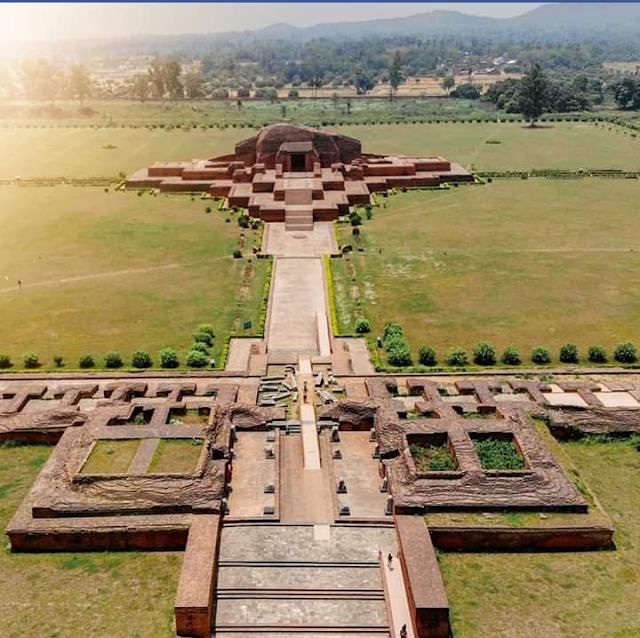
Thotlakonda was a well-planned monastic complex designed to support spiritual practices, communal life, and self-sufficiency.
Key elements include:
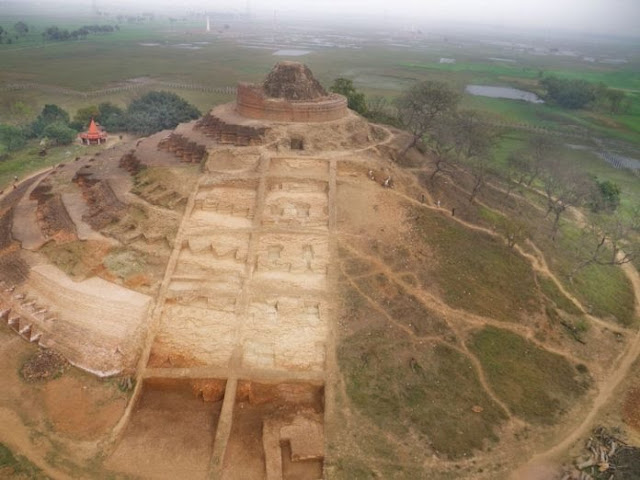
• Main Stupa: A large dome structure serving as the focal point for worship and meditation.
• Viharas: Residential quarters where monks lived, studied, and practiced meditation.
• Chaitya Halls: Assembly and prayer halls used for communal rituals.
• Dining and Utility Spaces: Areas for food preparation, storage, and daily necessities.
• Rock-Cut Cisterns: Water reservoirs reflecting sustainable ancient engineering.
Excavations reveal that Thotlakonda could accommodate a sizable monastic population, while its coastal position allowed observation of trade routes and incoming visitors. The combination of religious, residential, and practical structures demonstrates the site’s holistic design.
Thotlakonda and Ancient Maritime TradeThe proximity of Thotlakonda to the Bay of Bengal meant that it was more than a spiritual retreat. Its location provided monks a vantage point to monitor maritime activity, and evidence suggests interaction with traders from distant lands. Coins, pottery fragments, and other artifacts indicate that Thotlakonda was part of a wider international network, facilitating both the spread of Buddhism and cultural exchange.
These findings underline the dual role of the site: a place of religious learning and a hub within regional trade networks.
Impact of Heavy Monsoon Rains
Coastal Andhra Pradesh experiences intense seasonal monsoons, which have historically affected Thotlakonda. In recent years, unusually heavy rains caused significant water seepage into the ancient brick and mortar structures. This led to partial damage to the main stupa, particularly in sections that had previously undergone restoration.
The damage was gradual, exacerbated by years of exposure to rainfall, humidity, and salt-laden winds. This incident highlighted the vulnerability of ancient monuments to climatic forces and underscored the need for climate-responsive preservation methods.
Restoration and Preservation Efforts
Following reports of structural stress and partial collapse, archaeological authorities and conservation experts took immediate action:
• Site Stabilization: Visitor access was temporarily restricted, and safety measures such as fencing and caution signage were implemented.
• Structural Restoration: The main stupa and other vulnerable sections were carefully reconstructed using materials compatible with the original architecture.
• Improved Drainage: Modern drainage systems were introduced to redirect rainwater away from sensitive areas, preventing further erosion.
• Ongoing Monitoring: Conservation teams continue to inspect the site regularly to mitigate risks from environmental factors.
These interventions aim to preserve the historical integrity of Thotlakonda while adapting to modern environmental challenges.
Recent Developments
In 2025, plans have been announced to develop a Buddhist Cultural Centre near Thotlakonda. This initiative includes the construction of a 108-foot Buddha statue, meditation spaces, educational facilities, and visitor amenities. The project is designed to integrate cultural preservation with tourism, offering both spiritual and educational value.
At the same time, experts have highlighted concerns regarding maintenance and visitor infrastructure. Proper planning and community engagement are essential to ensure that increased tourism does not compromise the site’s integrity. Personal stories from local guides emphasize the continuing cultural and spiritual significance of Thotlakonda for visitors and residents alike.
Conservation Challenges
Preserving Thotlakonda involves addressing multiple challenges:
• Environmental Stress: Heavy monsoon rains, humidity, and coastal winds accelerate erosion.
• Tourist Impact: Increased footfall, if unmanaged, can damage fragile structures.
• Infrastructure Needs: Adequate visitor facilities, signage, and pathways are necessary to balance accessibility with preservation.
• Long-Term Strategy: Integrating local community involvement, government oversight, and sustainable tourism practices is crucial for ongoing protection.
Cultural and Tourism Importance
Despite its challenges, Thotlakonda remains a significant heritage and tourism destination. Visitors are drawn to its panoramic coastal views, tranquil atmosphere, and historical depth. By promoting responsible tourism, the site can serve as both an educational resource and a center for contemplative experiences.
Conclusion
The Thotlakonda Buddhist Site stands as a symbol of India’s rich spiritual heritage and ancient maritime connections. While environmental pressures and structural vulnerabilities pose ongoing challenges, restoration efforts and cultural initiatives are ensuring that this site remains a living part of the community and the historical landscape.
By combining thoughtful preservation, sustainable tourism, and community engagement, Thotlakonda can continue to educate and inspire future generations, offering a rare glimpse into the enduring legacy of early Buddhist civilization.




Khoobsurat h sarkar
ReplyDeleteBut badiya
ReplyDeleteGreat content ,,,i want more
ReplyDeleteNamo buddhye dosto
ReplyDeleteBuddhye ji ke bare me jitna padhiye utna hi kam hai.
Bahot badhiya
👍👍👍👌👌👌