Buddhist Archaeological Sites: Hidden Excavations That Reveal the Early Spread of Buddhism

Image
  Introduction Buddhist archaeological sites offer invaluable insight into the early history of Buddhism and its peaceful spread across Asia. From rock-cut caves and monasteries to ancient stupas and stone reliefs, these excavations preserve physical evidence of the Buddha’s teachings, monastic life , and artistic traditions that flourished over centuries. Many of these sites remained hidden for centuries before being rediscovered through systematic archaeological excavations. This article explores the significance of Buddhist archaeological sites, major excavation centers, and how these discoveries help us understand early Buddhism. What Are Buddhist Archaeological Sites? Buddhist archaeological sites are locations where physical remains related to Buddhism have been discovered through excavation. These include: • Monasteries ( Viharas ) • Stupas and relic shrines • Rock-cut caves • Sculptures and inscriptions • Ancient manuscripts and seals Such sites date mainly from th...

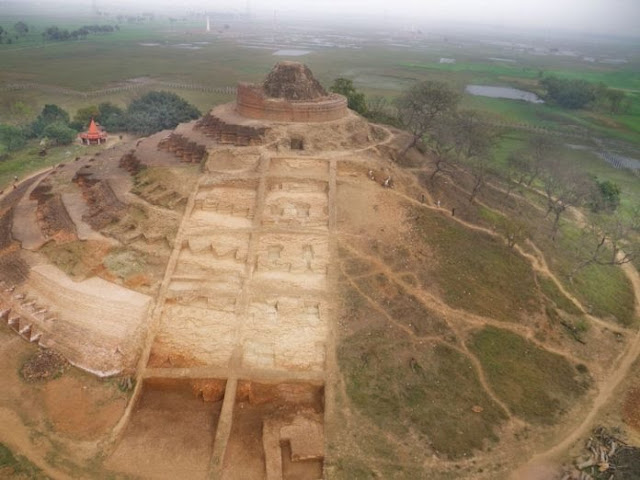
Heavy rain reduces thotlakonda Buddhist stupa

Thotlakonda buddhist stupa:
The telugu name thotlakonda derived from the presence of a number of rock- cut cisterns hewn into the bedrock of the hillock.thotlakonda was influence of ancient kalinga,the important source of Buddhism to srilanka.It is located in Visakhapatnam district of andhra Pradesh. Many archaeologists and historians have been shocked by sudden collapse of restored 2200 year old Buddhist stupa at a monastery in India.some part of This monument is half collapsed due to heavy rain.
Originally it is about 16 km from the bustling city of Visakhapatnam in andhra Pradesh. This monastery was identified in 1970 by aerial survey. This stupa is about 420 feet above the sea level. When the monument was first built it was done painstakingly slowly to allow each layer of brick to set harden.
Thotlakonda came into existence along with nearby sites in Visakhapatnam like bavikonda and pavurallakonda. thotlakonda might have more than 100 bhikkhus.
 Thotlakonda's peak activity was between the 2nd century BCE and the 2nd century CE owing to roman trade and religious missions sent abroad. This complex was set up for storing food, clothes, medicine and served academic center. Mainly nikaya Buddhism appears to have been practiced. Thotlakonda had declined by the end of the 3rd century

Comments

Post a Comment

Popular posts from this blog

conversation between buddha and ananda.

Vikramshila university destroyed by an Islamic invader

cultural sites damaged by ISIS

Kusinagar: Where Buddha Slipped his Earthly Bonds.

Kesaria stupa: world's largest buddhist stupa.